
UAVs – A Strategic Tool for Sustainable Development and Emission Reduction
As the global community faces an escalating climate crisis and increasing pressure to curb greenhouse gas emissions, unmanned aerial vehicles (UAVs) are proving to be an essential technological asset in the pursuit of sustainable development across various sectors. Beyond their well-known applications in logistics and surveillance, UAVs are now being widely deployed for environmental monitoring, emissions detection, and enabling organizations to proactively minimize their carbon footprint in a safe and efficient manner.
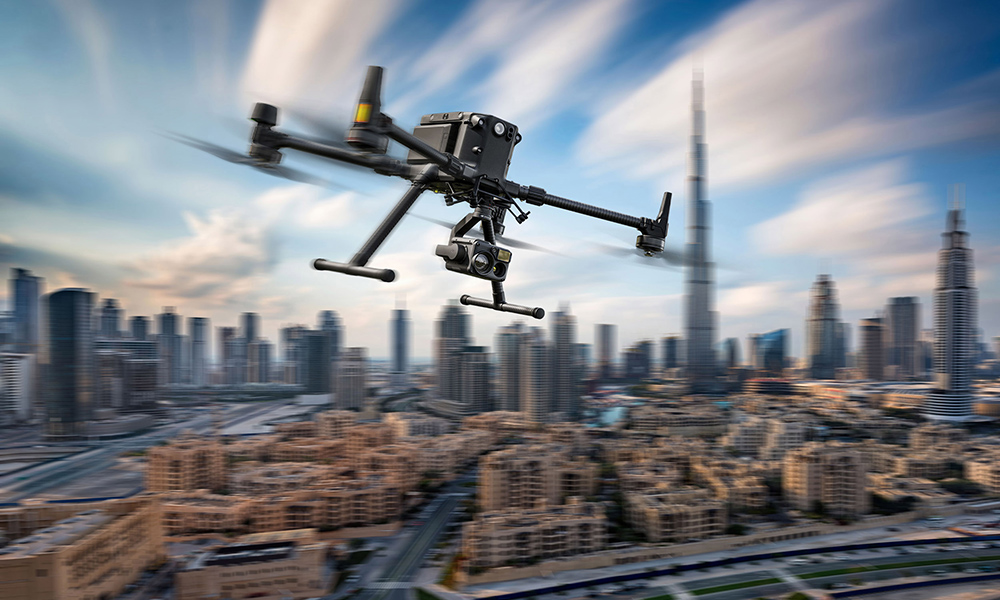
Rapid and Accurate Emission Detection
Unlike traditional ground-based methods that often require fuel-consuming vehicles and expose personnel to risk, UAVs offer an energy-efficient, aerial solution for environmental data collection. Equipped with advanced sensors, positioning systems, and high-precision measurement devices, UAVs are capable of detecting and localizing unintended emission sources swiftly. This enables enterprises to implement timely mitigation strategies, thereby minimizing environmental impact. In sectors ranging from agriculture to energy, UAVs are utilized to monitor and detect greenhouse gas emissions, with particular focus on methane — a gas with significantly greater global warming potential than carbon dioxide. Early identification of leakage points contributes to improved air quality and facilitates effective implementation of corporate emission reduction commitments.